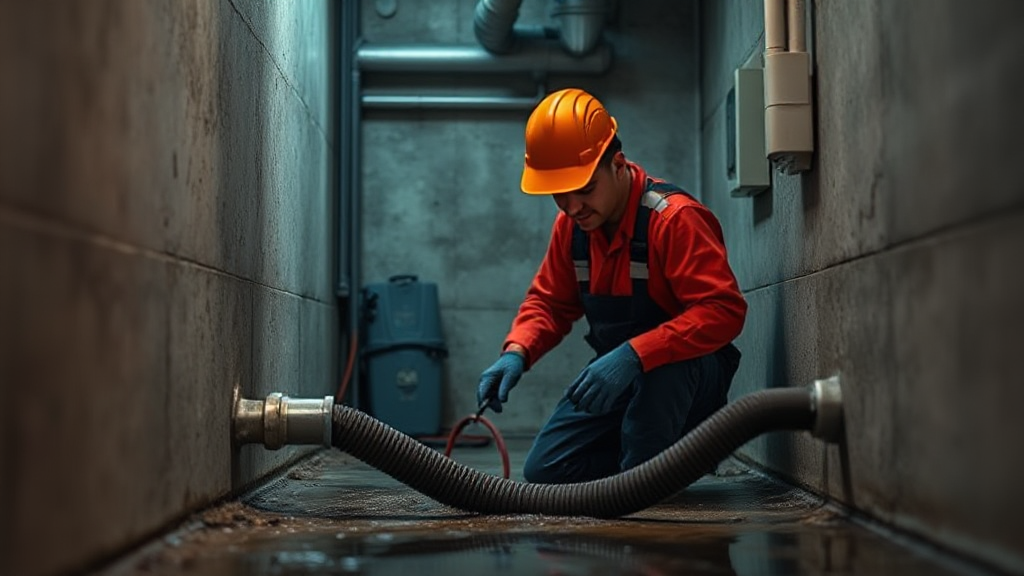
Why Is My Drain Backing Up in Pirituba? A Cautious Client’s Walkthrough
You are standing in your kitchen in Pirituba, watching dirty water rise in the sink even though you have not run the tap for ten minutes. Or the floor drain in the laundry area gurgles every time the upstairs neighbor showers. You are not looking for a lecture on plumbing theory. You want to know what is actually happening in the pipe, who to call, and how to avoid paying for a guess. This is the background that makes the rest of the decision make sense.
A cautious client does not start with a phone call. They start with a short diagnosis. In most Pirituba homes and small businesses, a recurring backup is not a random event. It usually points to a blockage that has been building slowly — grease in the kitchen line, hair and soap in the bathroom branch, or roots and sediment in the main sewer connection. When you understand which part of the system is complaining, you can ask better questions before anyone arrives. That is where a professional desentupidora Pirituba service becomes useful: not as a panic purchase, but as a targeted intervention.
Start With the Symptoms, Not the Phone
Before you call anyone, walk the property and write down what you see. This five-minute habit separates a real emergency from a nuisance and gives the technician a head start.
Which fixtures are affected?
If only one sink is slow, the clog is likely in that fixture’s trap or branch line. If the toilet, shower, and laundry drain all back up together, the problem is downstream — in the main horizontal line or the connection to the street sewer. That distinction changes the equipment needed and the time the job will take.
Is there a pattern in timing?
Backups that appear when a neighbor does laundry or when it rains heavily suggest a shared line or a surcharged public sewer. Backups that happen only after you use a specific appliance point to a local blockage. Note the time, the fixture, and what was running elsewhere in the building.
What does the water look and smell like?
Clear water with a faint odor is usually a partial blockage. Dark, foul-smelling water that rises quickly is a sign of a blocked sewer line and should be treated as urgent. If water is pooling near a floor drain, stop using water in the whole unit until the line is cleared.
What a Cautious Client Should Ask Before Booking
The cheapest quote is not always the safest choice, especially when a stranger will be working inside your home. A few direct questions protect your property and your budget.
- Do you charge a visit fee, and is it deducted from the repair if I approve the work?
- What equipment will you use — manual snake, electric auger, or hydrojetting?
- Can you show me the blockage with a camera before and after the work?
- What is your policy if the clog returns within a few days?
- Are you insured, and will you provide a written service note?
A reputable provider answers these without hesitation. If the person on the phone cannot explain the difference between clearing a branch line and jetting a main line, keep looking. The right desentupidora Pirituba São Paulo SP team will welcome the questions because they reduce callbacks.
Walkthrough: A Typical Evening Backup in a Pirituba Apartment
Imagine it is 8 p.m. on a weekday. The kitchen sink drains slowly, then stops. You check the bathroom and the floor drain is dry, so the blockage is probably in the kitchen branch. Here is how a measured response unfolds.
- Stop using water in the affected area and move anything stored under the sink.
- Check whether the building has a recent notice about sewer maintenance — sometimes the cause is outside your unit.
- Call a service that offers evening attendance and describe the symptoms precisely.
- When the technician arrives, ask them to confirm the blockage location before starting.
- After the work, run hot water for a minute and watch the drain to confirm flow.
- Keep the service note and note the date in case the issue returns.
This sequence avoids the two most common mistakes: pouring chemical drain cleaner into a fully blocked line, and calling an emergency number for a problem that could be handled the next morning. Chemicals can damage older pipes and rarely clear a solid grease plug. Emergency calls are justified when sewage is entering living space or when the only toilet in the home is unusable.
Variations for Other Situations
Not every backup looks the same. The right response changes with the building type and the source of the clog.
Houses with older clay or cast-iron lines
In older Pirituba houses, tree roots and joint offsets are common culprits. A camera inspection is worth the extra cost because it shows whether the line needs spot repair or full replacement. Repeated snaking without a camera often means paying for the same job twice.
Condominiums and commercial kitchens
Shared stacks and grease-heavy kitchen lines need preventive hydrojetting rather than reactive snaking. A building manager who schedules cleaning before the holiday season usually spends less than one who waits for a backup on a Saturday night. Ask for a maintenance interval based on the number of units and the type of use.
Septic systems on the outskirts
If your property relies on a septic tank, a backup may mean the tank needs pumping, not that the pipe is blocked. Pumping and line clearing are different services. Confirm which one the provider is quoting so you do not pay for the wrong intervention. For a range of these services under one contact, the desentupidora em Pirituba São Paulo SP team can clarify what your address actually requires.
Costs, Trade-offs, and What “Emergency” Really Means
Pricing for drain and sewer work varies with access, depth, and equipment. A simple branch-line clearing is at the low end; hydrojetting a main line or excavating a collapsed section sits at the high end. The trade-off is usually speed versus durability. A quick snake restores flow today; jetting or camera-guided work costs more but reduces the chance of a repeat visit next month.
| Service | Typical use | Trade-off |
|---|---|---|
| Manual or electric snake | Single fixture, short branch | Fast and cheaper, but may not remove grease buildup |
| Hydrojetting | Main lines, grease, roots | More thorough, requires access and higher budget |
| Camera inspection | Repeat clogs, older pipes | Adds cost but prevents guesswork |
| Septic pumping | Rural or off-grid properties | Necessary maintenance, not a clog repair |
“Emergency” should mean attendance outside normal hours when health or safety is at risk, not simply inconvenience. A cautious client confirms the after-hours rate before agreeing. Ask whether the price quoted on the phone includes the visit, the equipment, and disposal of removed material. A written estimate before work begins is a reasonable request and a sign of a professional operation.
Prevention That Actually Works Between Visits
Most repeat calls are preventable. The goal is to keep solids and grease out of the line and to notice slow drainage before it becomes a flood.
- Pour used cooking oil into a container and discard it — never down the sink.
- Use strainers in kitchen and bathroom drains and empty them weekly.
- Run hot water for thirty seconds after each kitchen use to move residue along.
- Schedule a professional check if two or more fixtures drain slowly at the same time.
- Keep a simple log of backups, dates, and which fixtures were affected.
That log is more valuable than it sounds. When you call for service, a technician can use the history to decide whether a camera inspection is warranted. Prevention is also cheaper than repair: a modest maintenance visit costs far less than restoring a floor damaged by sewage backup.
Frequently Asked Questions
How quickly can a desentupidora arrive in Pirituba?
Response time depends on the time of day and the provider’s schedule. Evening and weekend calls usually take longer than weekday mornings. When you call, ask for an estimated arrival window and confirm whether the visit fee applies if you decide not to proceed.
Can I use chemical drain cleaner before calling a professional?
It is better to avoid chemicals in a fully blocked line. They can damage older pipes, harm anyone working on the drain later, and rarely dissolve a solid grease or root blockage. Mechanical clearing is safer and more effective.
Do I need a camera inspection for a single slow drain?
Not always. A single fixture with slow drainage often responds to a simple branch-line clearing. A camera is worth considering when clogs return within weeks, when multiple fixtures are affected, or when the building has older pipes.
What should I do if sewage is backing up into the home?
Stop using water, keep people and pets away from the affected area, and call for emergency service. Do not attempt to open a floor drain or clean the area with a household hose, as this can spread contamination. Document the damage with photos before cleanup begins.