How to Make the Most of Your Online Presence: A Look at https://heylink.me/lavowin
In today’s digital world, a strong online presence is more than just having a website or social media profile. It’s about creating a cohesive, accessible hub where your audience can find everything you share, all in one place. Whether you’re a content creator, an entrepreneur, or a brand looking to streamline your digital footprint, the tools you choose can make a significant difference. One such tool that has gained attention for its simplicity and utility is the link-in-bio platform. Specifically, the page accessible at https://heylink.me/lavowin demonstrates how a single, well-organized link can centralize your online activities. This article explores the importance of such digital hubs and offers practical advice on optimizing your own online presence.
Understanding the Role of a Centralized Link Hub
When you have content spread across multiple platforms—your blog, YouTube channel, Instagram, Twitter, or an online store—directing your audience to each individual site can be overwhelming. A centralized link hub solves this problem by providing a single URL that houses all your important links. The page at https://heylink.me/lavowin is a prime example of how this concept works in practice. It serves as a digital business card, a landing page that aggregates all the essential touchpoints for a person or brand. Instead of listing multiple URLs in your bio or in a comment section, you simply share one link that leads to a clean, organized menu of options. This approach not only simplifies the user experience but also allows you to track engagement and click-through rates more effectively, giving you valuable insights into what your audience is interested in.
Why a Single Link Matters for Your Brand
Think about the last time you wanted to share your work with a potential collaborator or client. The process of sending multiple links, or worse, expecting them to search for you across different platforms, can be off-putting. A single, memorable link, like the one found at https://heylink.me/lavowin, streamlines this interaction. It presents a professional image and signals that you are organized and serious about your online presence. From a user experience perspective, it reduces friction. Visitors don’t have to type in long URLs or go through the hassle of copying and pasting multiple addresses. They click, they see a neatly arranged list of your offerings, and they choose where to go next. This ease of navigation can lead to higher engagement and conversion rates, as you’re not losing potential followers or customers to the confusion of a scattered digital footprint.
Key Features of an Effective Link-in-Bio Page
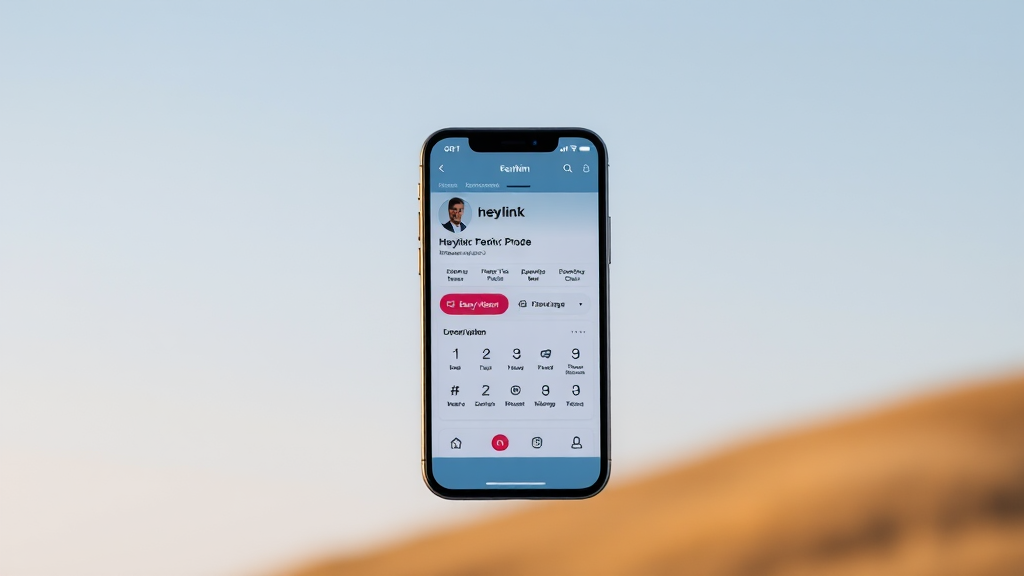
Not all link-in-bio pages are created equal. The most effective ones share several key features that enhance their utility. First, they offer customization options, allowing you to match the page’s look and feel to your brand’s aesthetic. This visual consistency builds trust and recognition. Second, they provide analytics. Without data, you’re navigating blind. Understanding which links are clicked most often helps you tailor your content and offerings. Third, they are mobile-optimized. Since the majority of social media browsing happens on smartphones, a page that doesn’t render well on a small screen will quickly lose visitors. The page at https://heylink.me/lavowin exemplifies these principles, presenting a user-friendly interface that is both functional and visually appealing. It allows the owner to showcase a variety of content—be it a portfolio, a store, or social media channels—in a way that is both accessible and easy to navigate.
Strategies for Organizing Your Links
Simply having a link hub is not enough; how you organize the links within it matters greatly. A cluttered page with dozens of random links can be just as confusing as having no hub at all. To maximize effectiveness, consider grouping your links by category. For example, you might have a section for “Recent Articles,” another for “Social Media,” and a third for “Products.” This logical grouping guides the visitor’s eye and makes it easier for them to find what they’re looking for. Another strategy is to prioritize your most important links at the top, as these are the ones most likely to be clicked. Use clear, descriptive labels rather than just “Link 1” or “Link 2.” Instead, use titles like “My Latest Video” or “Shop My Store.” The goal is to make the decision-making process effortless for the visitor. Looking at the structure of https://heylink.me/lavowin, you can see how a thoughtful arrangement can lead to a more engaging user experience, encouraging visitors to explore multiple facets of your digital presence.
The Impact on Your Digital Marketing Strategy
Your link-in-bio page is not just a passive collection of links; it’s a dynamic part of your overall digital marketing strategy. By analyzing the click data from your hub, you can gain insights into your audience’s preferences. For instance, if you notice that links to your blog posts receive significantly more clicks than links to your merchandise, you might decide to focus more of your content creation efforts on writing. Alternatively, if a particular social media channel is driving a lot of traffic from your hub, you might choose to invest more time in growing that platform. The page at https://heylink.me/lavowin can serve as a case study in how a simple tool can provide actionable data. It empowers you to make informed decisions about your content strategy, promotional tactics, and even partnership opportunities. By regularly updating and refining your link hub, you keep it fresh and relevant, which encourages repeat visits and ongoing engagement.
Common Mistakes to Avoid
While the benefits of a centralized link hub are clear, there are common pitfalls that can undermine its effectiveness. One major mistake is failing to update the page regularly. If you share a link that leads to outdated content or dead pages, you risk losing the trust of your audience. Always ensure that your links are current and functional. Another mistake is not promoting your hub consistently. Simply adding the link to your social media bio is not enough; you should actively mention it in your posts, videos, and email signatures. Additionally, avoid overcomplicating the design. A clean, simple layout is more effective than one that is overloaded with animations, flashing graphics, or too many colors. Remember, the primary purpose is to guide your visitors to your content, not to showcase your web design skills. By observing how established pages like https://heylink.me/lavowin are structured, you can avoid these common errors and build a hub that truly serves your audience.
Future Trends in Link Sharing
As the digital landscape evolves, so too do the tools we use to manage our online presence. We are already seeing a shift towards more interactive and personalized link pages, with features like embedded videos, countdown timers, and even mini-galleries. The future likely holds even more integration with e-commerce, allowing creators to sell products directly from their link hub. There’s also a growing emphasis on customization and branding, with users expecting to fully control the look and feel of their page. The platform behind https://heylink.me/lavowin is part of this evolving ecosystem, continually adding features to help users enhance their online presence. Staying informed about these trends and adapting your strategies accordingly will ensure that you remain ahead of the curve, effectively connecting with your audience in an ever-changing digital world.
Conclusion
In conclusion, your online presence is a multifaceted asset that requires careful curation and management. A centralized link hub, such as the one found at https://heylink.me/lavowin, is an invaluable tool for bringing together all the different aspects of your digital identity. It simplifies the user experience, provides valuable data, and helps you present a professional and organized image. By understanding the features that make these pages effective, avoiding common mistakes, and staying abreast of future trends, you can harness the full potential of your online platforms. Whether you’re a seasoned professional or just starting out, taking the time to optimize your link sharing strategy is a worthwhile investment that can yield significant returns in terms of engagement, growth, and success.
Frequently Asked Questions
What is a link-in-bio page?
A link-in-bio page is a single web page that contains a collection of links to a user’s various online profiles, content, or products. It is typically linked from the bio section of social media platforms, allowing creators and businesses to share multiple links without cluttering their bio.
Why is it important to have a centralized link hub?
A centralized link hub improves user experience by eliminating the need to share multiple URLs. It helps establish a cohesive brand identity, provides analytics on link performance, and makes it easier for your audience to find and engage with your content across different platforms.
How often should I update my link-in-bio page?
You should update your link-in-bio page whenever there is a change in your content, such as when you publish a new video, write a new blog post, or launch a product. Regularly reviewing and refreshing your links ensures that your page remains relevant and avoids leading visitors to outdated information.
Can I track the performance of my links?
Yes, most link-in-bio platforms offer built-in analytics that show you the number of clicks each link receives. This data is invaluable for understanding what content resonates with your audience and for refining your digital marketing strategy.