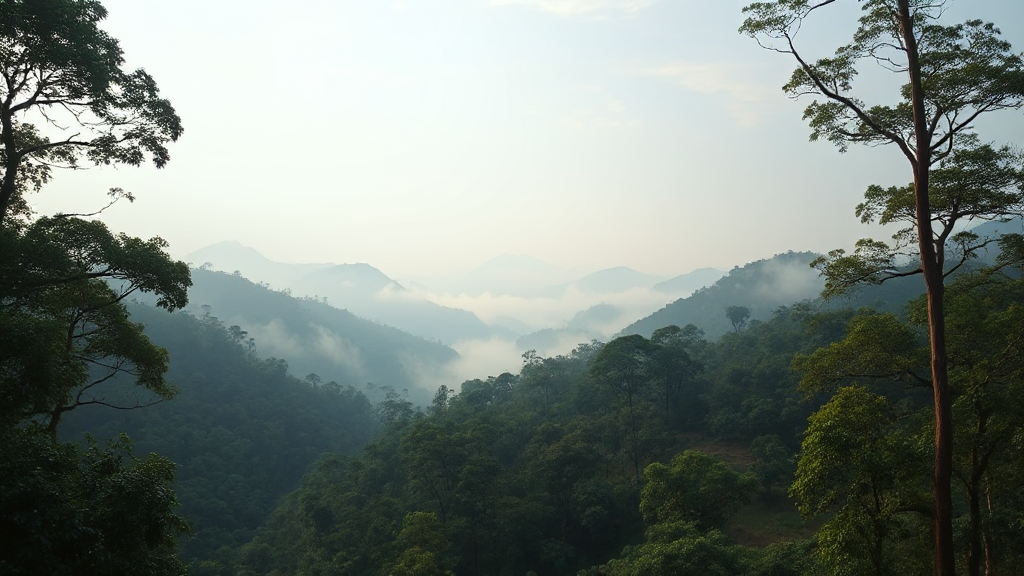
Eating in the Forest: Meals at Dandeli Jungle Resorts
Breakfast arrives on the veranda before the forest has fully woken up. A steel tumbler of filter coffee steams in the cool air, a plate of poha sits beside it, and somewhere beyond the railing a hornbill calls out. The first question of the day is not what to do next but where this food came from — the rice, the coconut, the honey, the greens. At the best dandeli jungle resorts, that question has an answer worth hearing, and it shapes the whole eating experience of a stay.
I plan trips around food, and a jungle stay in Karnataka is a particular kind of pleasure because the kitchen is never far from the landscape. What follows is a meal-by-meal account of what to expect, how local sourcing works, and how to read a resort menu before you book.
Breakfast on the Veranda: What the Forest Sends First
Morning meals at jungle stays in Dandeli tend to be simple, warm, and built for early activity. Expect a rotating set of South Indian staples — idli, dosa, upma, poha, or a local rice preparation — served with chutney, sambar, and a fruit bowl that changes with the season. Coffee is strong and milky; tea is sweet; and if you are heading out for rafting or a nature walk, the kitchen will usually pack a small snack for the trail.
The sourcing story here is easy to trace. Coconut, curry leaves, and bananas come from the farms and villages around Dandeli rather than from a distant distribution center. Many properties buy vegetables from local markets that open before dawn, and some keep small kitchen gardens for herbs and greens. Honey is a recurring theme in this part of Karnataka — ask whether the honey on the table is local forest honey, and you will often get a straight answer and a story about where it was collected.
Breakfast is also where you learn the rhythm of the resort. If the kitchen serves early because guests leave for the river at seven, that tells you the property is built around adventure. If breakfast stretches lazily until ten with a view of the trees, the stay is pitched more toward slow nature watching. Both are valid; knowing which one you booked saves disappointment.
Lunch, Packed or Plated: Feeding the Rafting Day
Lunch at a jungle resort in Dandeli is often the most practical meal of the day. On rafting mornings, many properties serve a substantial breakfast and then either pack a lunch or serve a late buffet when guests return. The packed version is worth asking about in advance: it usually includes rice or roti, a vegetable preparation, pickle, and fruit, wrapped so it survives a morning on the river.
When lunch is plated at the resort, the pattern is familiar and comforting — rice, sambar or rasam, a dry vegetable, a leafy green, curd, and something fried or pickled on the side. Coastal and Malnad influences show up in the use of coconut, tamarind, and curry leaves. If the resort serves non-vegetarian food, look for local fish or chicken preparations rather than imported cuts; the closer the ingredient, the better the meal usually is.
This is also the point in the day when the dandeli jungle resorts packages matter to a food-focused traveler. A stay that includes rafting often bundles lunch into the day’s plan, which means the kitchen is cooking for a group with a shared schedule. Ask whether lunch is included, whether it is buffet or fixed menu, and whether vegetarian and Jain options are handled properly. A quick email before booking tells you more about the kitchen than any glossy photograph.
Evening Snacks and the Campfire Table
The hour before dinner is my favorite at a jungle stay. Tea appears with something hot and fried — pakoras, onion bhajji, sometimes a local snack — and the light starts to go gold through the trees. Many properties set up a campfire or a bonfire area in the evening, and the snack table becomes a social hub where guests compare notes on the rafting rapids or the birds they spotted.
This is where local ingredients shine without much fuss. Corn roasted over coals, sweet potato, and simple gram-flour fritters are common, and the chutneys served alongside are often made in-house. If you are interested in the food culture of the region, use this hour to talk to the staff. Cooks and managers at smaller jungle stays are usually happy to explain what is in a dish, where the produce came from, and which dishes are local specialties rather than standard hotel fare.
One practical note: evening snacks are frequently included in packages, but not always. Confirm what is covered, especially if you are traveling with children who will be hungry after an active day.
Dinner in the Dark: Local Cuisine After Sunset
Dinner at a Dandeli jungle resort is usually the fullest meal of the day, served either as a buffet or a fixed multi-course menu. The core is Karnataka home cooking — rice, chapati or akki roti, dal or sambar, two or three vegetable dishes, curd, and a sweet on some nights. Non-vegetarian options, where offered, might include chicken curry, local fish, or egg preparations.
What makes dinner memorable is not complexity but context. Eating a hot, simple meal under a dark sky with insects chirping and the forest close around you changes how the food tastes. Many resorts keep dinner early, around eight, so guests can eat before the generator hours end or before the walk back to the cottage in the dark. Lighting is low, the air is cool, and the meal is unhurried.
If you have dietary restrictions, dinner is the meal to plan for. Buffets make vegetarian eating easy, but vegan or gluten-free needs are better communicated in advance. Smaller properties can usually adjust; large ones need notice. The same applies to children and to anyone who cannot handle spicy food — Karnataka cooking can be gently spiced or quite hot, and the kitchen will usually dial it down if asked.
Reading the Menu Before You Book: Sourcing, Packages, and Practicalities
Food is one of the clearest signals of how a jungle resort is run. A kitchen that sources locally, cooks to the season, and can explain its dishes is usually a property that pays attention to other details too. When comparing dandeli jungle resorts, ask a few direct questions: Are meals included in the package, and which ones? Is the food vegetarian, non-vegetarian, or both? Is the produce bought locally, and is there a kitchen garden? Can the kitchen handle allergies or Jain food? Is drinking water provided, and is it filtered?
Packages often bundle stay, meals, and activities such as rafting, which makes budgeting simpler. But read the inclusions carefully — breakfast only, breakfast and dinner, or all meals — because lunch on a rafting day may be packed rather than plated. Alcohol policies vary, and some properties do not serve or allow it. Tipping is not compulsory but is appreciated, especially for kitchen and housekeeping staff.
Finally, remember that a jungle stay is not a city restaurant. Menus are shorter, service is slower, and the kitchen may close earlier than you expect. That is part of the point. You came for the forest, and the food is an extension of it — seasonal, local, and eaten at the pace the trees set. Book with a kitchen you trust, ask your questions early, and let breakfast on the veranda be the first of many good meals.
